
Real-Life Kubernetes Project: Production App Deployment
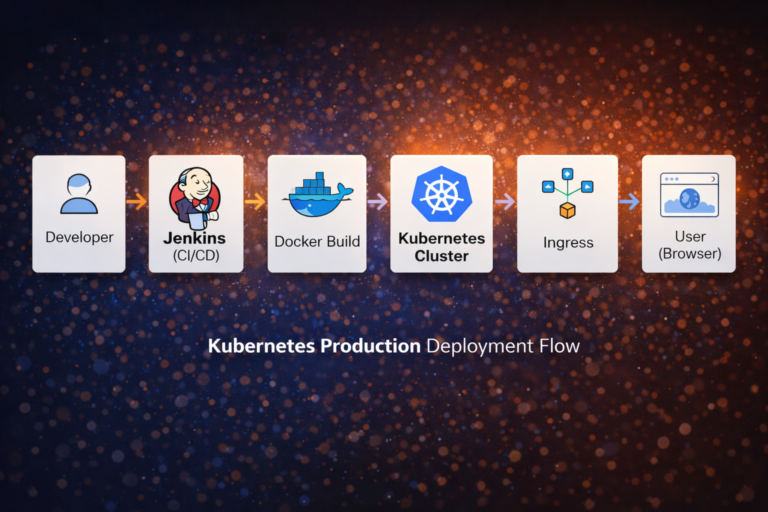
Build a real-life Kubernetes project by deploying a production-ready microservice with Deployment, Service, Ingress, ConfigMap, Secret, HPA, monitoring, and GitOps workflow.

Build a real-life Kubernetes project by deploying a production-ready microservice with Deployment, Service, Ingress, ConfigMap, Secret, HPA, monitoring, and GitOps workflow.
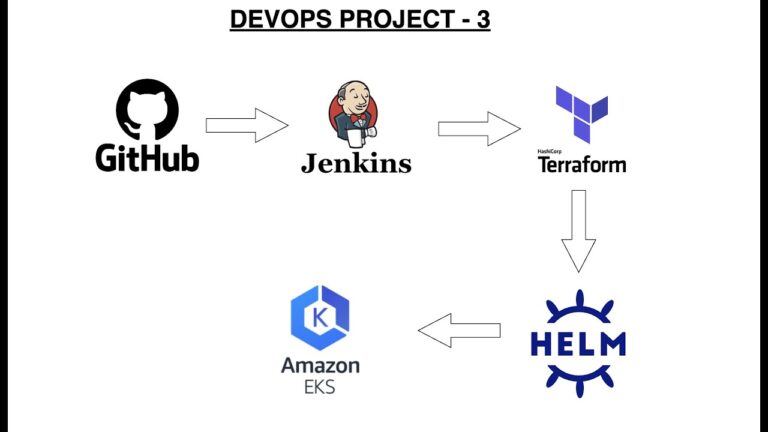
Follow a practical AWS infrastructure automation project using Jenkins, Terraform, Helm, and Amazon EKS for cluster provisioning and app deployment.
Learn how to automate EC2 provisioning with Terraform, configure instances with Ansible, and orchestrate the workflow through Jenkins.
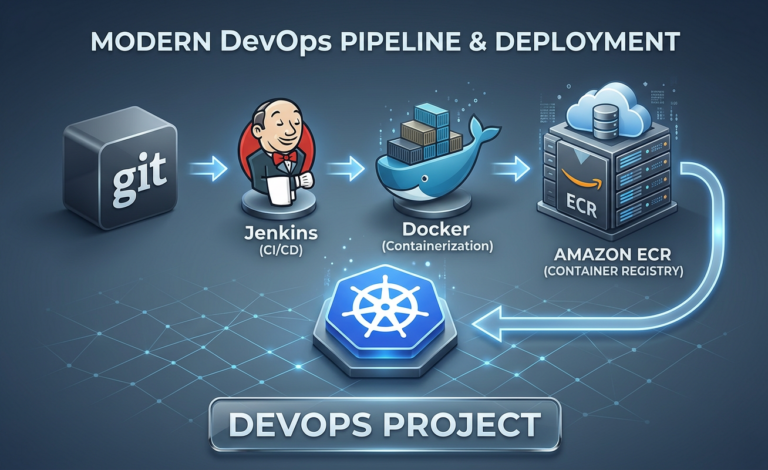
Build a real DevOps CI/CD pipeline using GitHub, Jenkins, Docker, Amazon ECR, and Kubernetes with step-by-step guidance and deployment flow.
1. What is Ansible, and why is it used?Ansible is a widely-used open-source automation tool that streamlines configuration management, application deployment, and IT orchestration. It is based on a straightforward, human-readable YAML format for defining tasks and does not require agent installation on target systems. Ansible’s simplicity, lightweight nature, and ability to manage complex operations…
Q1: What happens if you remove an EC2 instance from the Terraform state file after its creation and run terraform apply? Once you remove a resource entry from the state file, Terraform will no longer track it. On the next terraform apply, Terraform will attempt to create the resource again, as it doesn’t recognize the resource in…
1. What is Docker, and why is it used? Answer:Docker is an open-source platform that enables developers to automate the deployment, scaling, and management of applications inside lightweight, portable containers. These containers package an application with all its dependencies, ensuring that it runs consistently across different computing environments. Docker is used to streamline the development…
1. What is Jenkins? Jenkins is an open-source automation server used for continuous integration and continuous delivery (CI/CD). It automates the building, testing, and deployment of applications, making it easier to manage the software development lifecycle and accelerate the release process. 2. What are the key features of Jenkins? 3. What is the difference between…
1. What is Linux, and what are its key features? Linux is an open-source, Unix-like operating system. Key features include: 2. What are the different types of file systems supported by Linux? Linux supports a variety of file systems, including: 3. Explain the concept of process management in Linux. Linux uses a process-based model where…
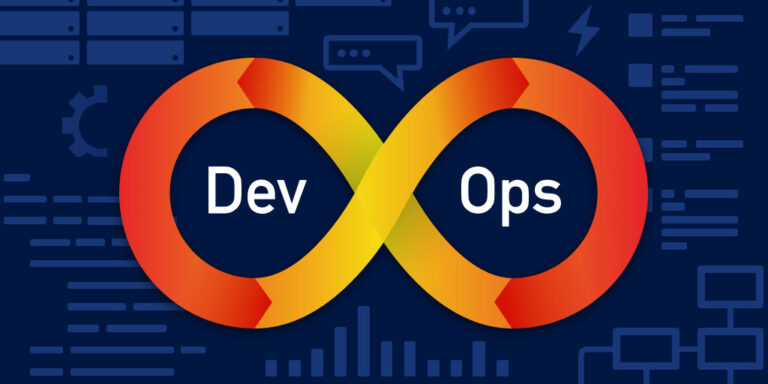
1. What is DevOps, and why is it important? DevOps is a cultural and technical movement that aims to improve collaboration between software development (Dev) and IT operations (Ops) teams. Its goal is to shorten the software development lifecycle, increase deployment frequency, and ensure high-quality software releases. DevOps emphasizes automation, monitoring, and continuous feedback. 2….